

Video Production Process Step by Step: From Concept to Final Cut
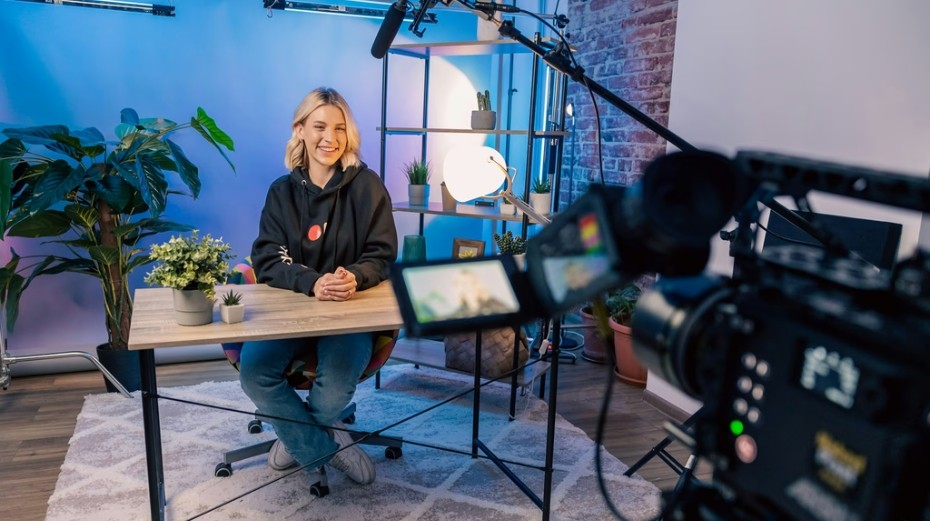
Most video projects fail before the camera turns on. The brief is vague, the timeline is compressed, and the concept tries to do seven things at once. A clear video production process fixes that. Each phase exists to reduce waste and protect the creative work.
Quirk Creative has produced hundreds of video campaigns for brands like Babbel, Ruggable, Chomps, and Blue Apron across linear TV, OTT, social, and digital. The process here reflects how those campaigns actually get made.
Why A Structured Video Production Process Matters
A structured process is not about rigidity. A good production structure creates room for creative decisions to land with precision rather than guesswork.
The Cost Of Skipping Steps
Brands that rush past strategy and pre-production end up paying twice. Reshoots, re-edits, and misaligned messaging all trace back to unclear planning. A well-defined video production workflow keeps teams aligned on audience, message, and delivery format before any budget gets spent on production days.
Step 1: Strategy And Concept Development
A strong video starts with a strategic question, not a creative one. What behavior should the video change? What does the audience need to feel, know, or do after watching?
Define Your Audience And Message First
Concept development means locking in the target audience, core message, and desired action before writing a single script line. Quirk's approach to brand response advertising centers on fusing storytelling with a measurable call to action. The concept phase is where that balance gets set.
For the Babbel "See Where Babbel Takes You" campaign, Quirk analyzed stagnating response rates from prior DR spots. The hypothesis: the existing audience had reached saturation with testimonial-style messaging. The strategic pivot toward comedy-driven spots rooted in real customer reviews revitalized interest and expanded the brand's reach.
Step 2: Pre-Production Planning
Pre-production is where the creative concept becomes a shootable plan. Skipping details here creates expensive problems on set.
Scriptwriting, Storyboarding, And Logistics
A strong script acts as the blueprint for all production decisions that follow. Storyboarding translates that script into a visual sequence, planning camera angles, talent placement, and scene transitions before the crew arrives.
Alongside creative work, the team locks in budgets, schedules, locations, casting, and equipment. For brands weighing the investment, understanding the true cost of TV commercials helps set realistic expectations.
Step 3: Production And Filming
Production is the execution phase. Each setup, lighting choice, and take reflects decisions made in pre-production.
Directing Talent And Capturing Clean Audio
A director guides talent through each scene, managing performance, pacing, and blocking. Audio quality deserves equal attention. Dialogue captured with poor microphone placement or excessive ambient noise creates problems that no post-production fix can fully resolve. Professional sound recording on set is a non-negotiable element of any high-performing video campaign.
Production days should also include B-roll capture. Supplemental footage of product details, environments, and candid moments gives editors flexibility during post-production.
Step 4: Post-Production And Final Delivery
Post-production is where raw footage becomes a finished campaign asset. The editing room is where pacing, narrative flow, and emotional impact take final shape.
Editing, Color, Sound, And Approvals
Editors select the strongest takes, assemble them into a cohesive narrative, and refine transitions. Color grading establishes visual consistency and sets the mood for the piece.
Sound design layers dialogue, music, and effects into a balanced mix. VFX, animation, and motion graphics get added during this phase as well. Once the edit locks, the video moves through client review. After approval, the video gets exported in the correct formats for each distribution channel.
What Quirk's Production Process Looks Like In Practice
Quirk owns the full process in-house, from creative strategy through post-production. That single-team structure eliminates handoff gaps that slow down traditional agency models.
When Quirk built the Babbel "Surprise Yourself" linear TV campaign, the team drew creative inspiration from actual customer reviews. The result was comedy-driven spots that were both entertaining and authentic. Concept, script, production, and post all moved through one team with shared context, getting the campaign to market faster without sacrificing quality.
Quirk Creative specializes in video-based campaigns that build brands and drive measurable results, from strategy through final delivery. Chat with us right away.
Frequently Asked questions
What Are The Main Stages Of The Video Production Process?
The video production process includes four core stages: strategy and concept development, pre-production planning, production (filming), and post-production. Post-production covers editing, color grading, sound design, and final delivery.
How Long Does A Typical Video Production Project Take?
Timelines vary based on complexity. A single commercial spot can take four to eight weeks from concept through delivery. Campaigns with multiple variations may require additional time for testing.
Why Is Pre-Production The Most Important Phase?
Pre-production locks in the script, storyboard, budget, schedule, and logistics. Decisions made here directly affect the quality, cost, and efficiency of all phases that follow.
What Does Post-Production Include For Video Ads?
Post-production covers editing, color correction, color grading, sound design, music licensing, VFX, animation, motion graphics, and final export. The video also goes through client review and approval before delivery.
How Much Does Video Production For Advertising Cost?
Costs depend on project scope, including talent, crew size, locations, equipment, and post-production complexity. An agency that handles the full process can reduce overhead and improve budget efficiency.
What Is The Difference Between Brand Response And Direct Response Video?
Direct response (DR) video drives an immediate, measurable action such as a purchase or sign-up. Brand response combines DR's call-to-action urgency with brand advertising's storytelling depth, building long-term equity while driving short-term results.
Blogs
Read more blogs