
Creative Agency Project Timeline Expectations: From Brief to Launch

"How long will this take?" is the first question every marketing director asks when engaging a creative agency. The honest answer depends on scope, but the process shouldn't be a mystery.
Most delays don't happen during production. They happen during approvals, unclear briefs, and misaligned expectations. A clear timeline, agreed upon upfront, prevents the back-and-forth that eats weeks and inflates budgets.
Phase 1: Discovery and Creative Brief (Week 1 to 2)
The first phase sets the foundation for the entire project.
Client Kickoff
The engagement starts with understanding objectives, audience, competitive landscape, and success metrics. Aligning on fundamentals before creative work begins saves weeks of revision later.
Creative Brief Development
The brief defines deliverables, target audience, key messaging, channels, timelines, and revision limits. Quirk's briefs also include animatic testing parameters, so creative validation is planned from the start.
Phase 2: Creative Development (Week 2 to 4)
With the brief locked, the agency moves into concepting, scripting, and visual development.
Research, Concepting, and Scriptwriting
A strong creative starts with understanding the market and the audience. Multiple concept directions are developed, then approved concepts move into scriptwriting and storyboarding.
Animatic Testing
Before committing to production, Quirk tests animatics with the target audience. When Quirk launched the "Bigger Bites" campaign for Chomps, the creative process started with understanding what made the brand's ingredients compelling, then testing how to translate that into a visual story for a national audience.
Phase 3: Pre-Production (Week 4 to 6)
Pre-production bridges concept and execution.
Casting, Locations, and Logistics
Selecting the right talent, scouting locations, securing permits, and finalizing production plans all happen here. Every detail planned now is a problem avoided during the shoot.
Phase 4: Production (Week 6 to 8)
Production is the most visible phase but typically the shortest, assuming pre-production was thorough.
Shoot Execution
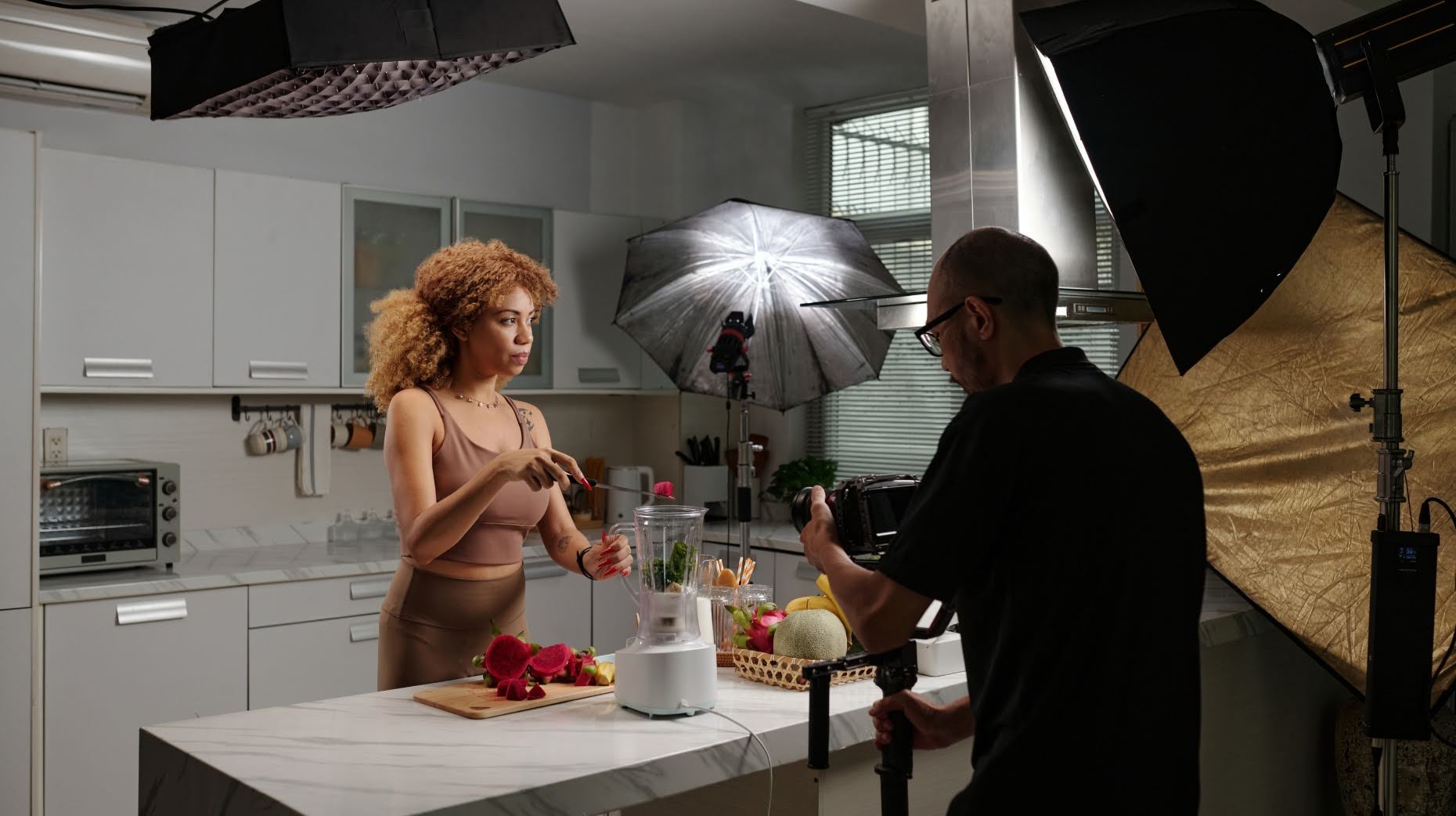
With in-house commercial directors and a streamlined production process, Quirk executes shoots efficiently. A designated client point person on set ensures fast, real-time decisions.
Capture for Versioning
Smart planning captures footage for all versions and channels during a single shoot: alternate calls to action, multiple aspect ratios, and B-roll for social edits alongside the hero spot.
Phase 5: Post-Production (Week 8 to 10)
Post-production transforms raw footage into finished assets.
Editing, VFX, Color, and Sound
Quirk handles all post-production in-house, keeping turnaround tight and creative consistency high.
Client Review and Revisions
The standard is two rounds of revisions with consolidated feedback. Clear revision parameters, agreed upon in the brief, prevent scope creep.
Channel-Specific Versioning
Final assets are exported in specifications for each distribution channel. Every version is quality-checked against channel requirements before delivery.
Phase 6: Launch and Optimization (Week 10 and Beyond)
Launch is not the finish line. Campaign performance data, broken down by creative version, channel, and audience segment, reveals what worked and where to adjust. Quirk's process includes ongoing creative optimization to keep campaigns performing.
Where Timelines Go Wrong
The biggest risks are slow approvals, unclear briefs, and scope changes mid-project. Brands that commit to timely feedback and a locked brief consistently hit launch dates.
Gaelan Draper, Co-Founder and Chief Creative Officer at Quirk Creative, has noted that the creative development phase, where concepts take shape and get validated, is where the overall direction of a project is determined.
Get From Brief to Launch, On Time
Quirk runs video campaigns from creative strategy through post-production with built-in timelines and a process designed for speed without sacrificing quality.
Frequently Asked questions
How long does a typical creative agency project take from brief to launch?
Most video campaigns take eight to 12 weeks, depending on scope. Simpler projects move faster; complex multi-channel campaigns with extensive testing may take longer.
What causes the most project delays with creative agencies?
Slow client approvals and unclear briefs. Consolidated feedback, timely sign-offs, and a locked creative brief prevent the majority of avoidable delays.
What is animatic testing in a creative agency workflow?
Animatic testing evaluates rough, animated versions of concepts with real audiences before full production. Concepts that test well proceed with confidence.
How many revision rounds should a brand expect?
Two rounds of structured revisions are the standard. Each round should include consolidated feedback from all decision-makers.
What does channel-specific versioning mean?
Producing tailored edits for each platform. A streaming pre-roll, a linear TV spot, and an Instagram Reel all have different format specs, pacing, and audience behaviors.
How soon after launch should brands expect performance data?
Initial signals appear within one to two weeks. Full attribution data typically requires seven to 28 days, depending on the purchase cycle.
Blogs
Read more blogs