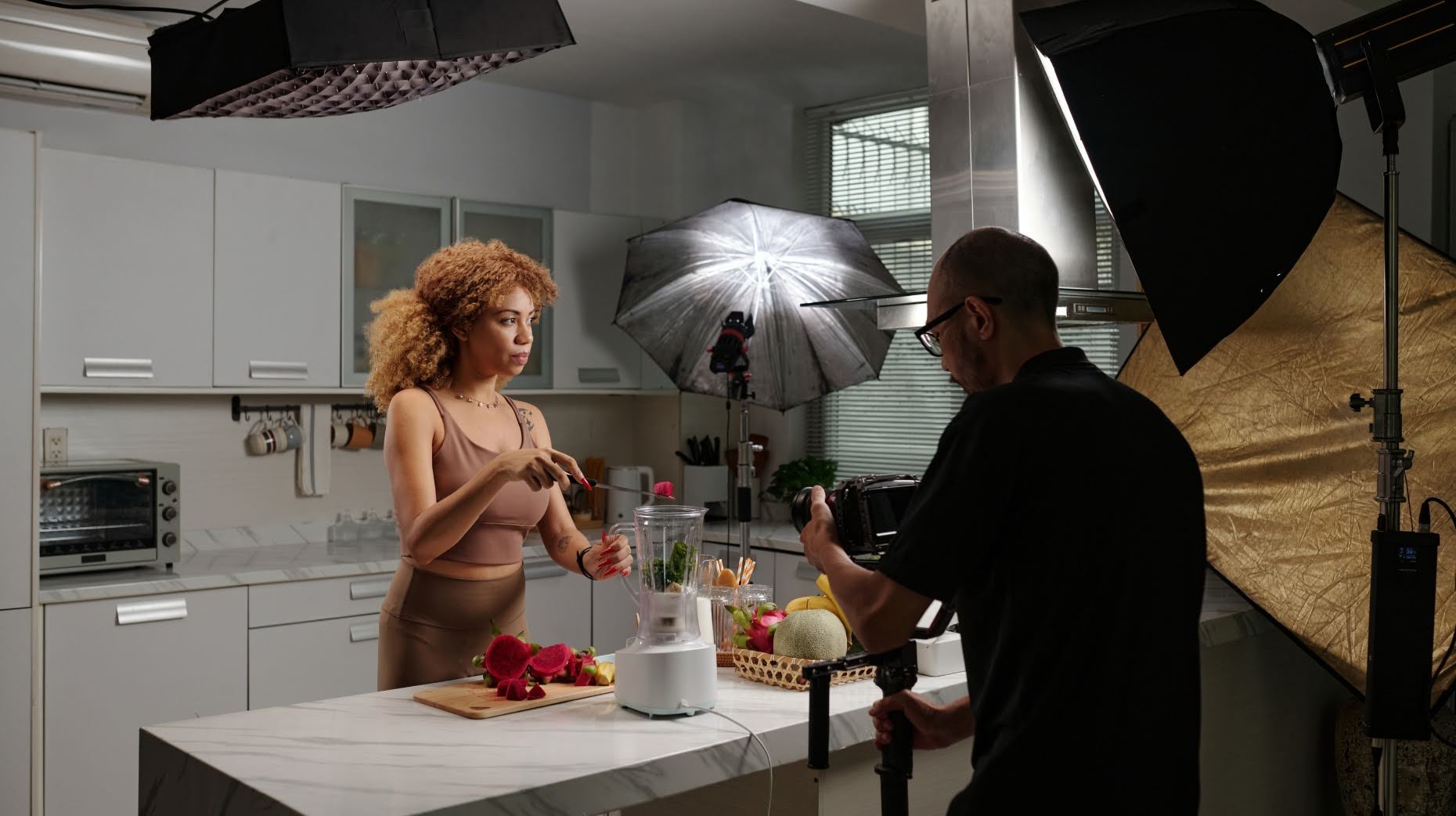

Complete Guide to Beauty and Personal Care Advertising for Brands
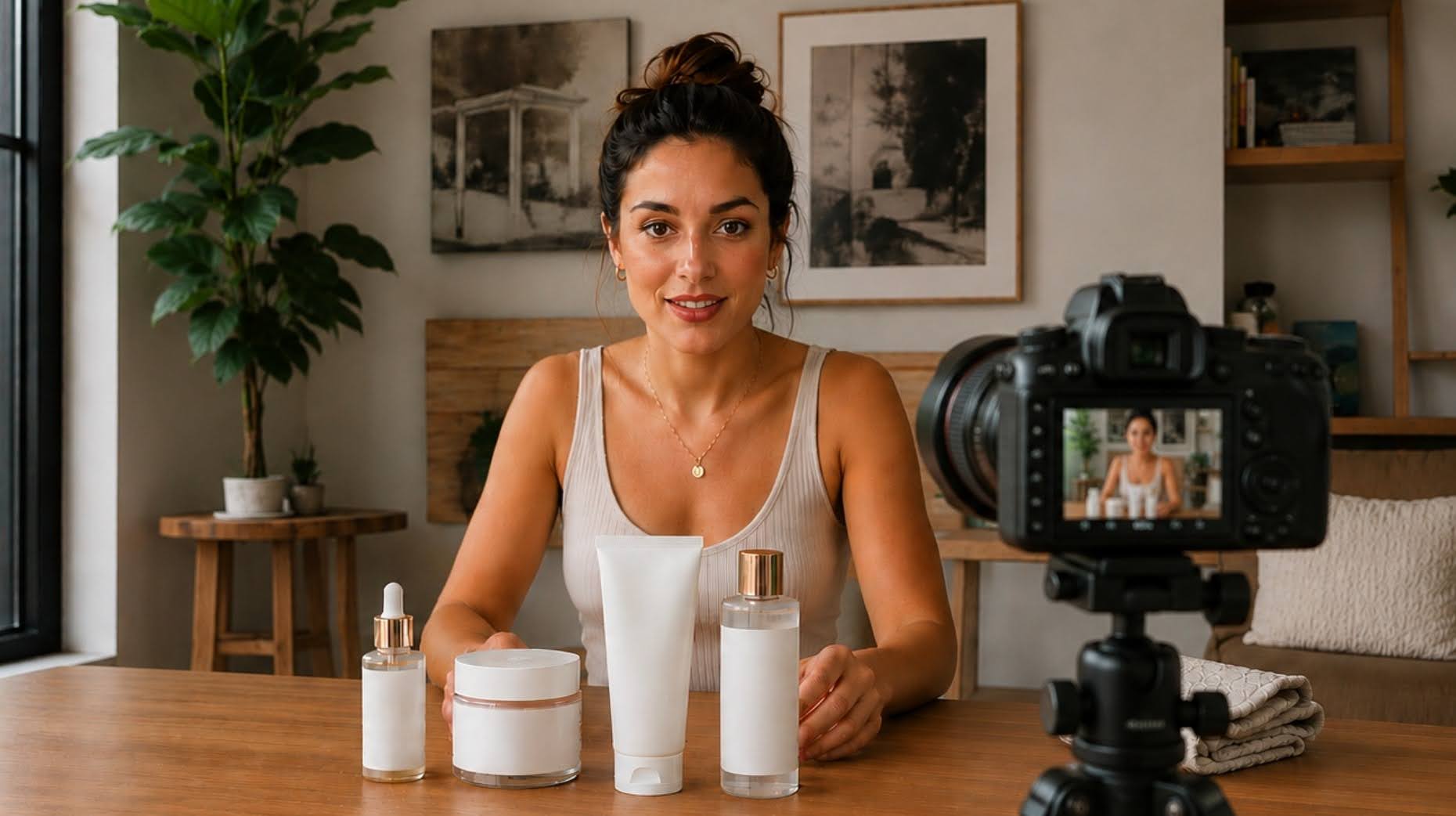
Beauty and personal care brands face a specific advertising problem in 2026: attention is expensive, trust is fragile, and most ads look interchangeable. The brands winning screen time aren't spending more. Instead, those brands are producing video creative grounded in real consumer insights, paired with measurable calls to action, and built for the channels where their audience watches.
What follows is a working guide to getting that creative right.
Why Video Creative Outperforms Static Ads in Beauty Advertising
Video gives beauty brands something no carousel or banner can: a sensory experience. Viewers see texture, watch an application, and hear a real person describe how a product feels. That demonstration collapses the gap between consideration and conversion.
Showing the Product in Context
The strongest beauty video ads show the product in real life, not on a pedestal. A woman applying moisturizer at her kitchen counter while her kids grab breakfast communicates more than a studio shot ever could. Audiences respond to context because context builds relatability.
Pairing Emotion With a Clear Call to Action
Brand advertising without a response mechanism wastes half its potential. Quirk Creative calls the fusion of storytelling and measurable response brand response: direct response advertising's call-to-action urgency combined with brand advertising's emotional depth. For beauty brands, that means spots that make viewers feel something and then tell them exactly what to do next.
How Tula Turned a Mantra Into a $23.2 Million Earned Media Campaign
When Tula Skincare wanted to bring its "Embrace Your Skin" positioning to life on TV, Quirk Creative developed a cinematic campaign centered on negative self-talk, featuring three women confronting their inner critic with zero product shots.
The campaign reached over 120 million consumers, generated more than one million digital engagements, and the #EmbraceYourSkin hashtag drove $23.2 million in earned media value, up from $7.6 million the prior year. Tula reported $150 million in net sales for 2021. Leading with a genuine consumer insight outperformed any ingredient spotlight the brand could have run.
What Makes Beauty Advertising Actually Convert
Plenty of beauty ads look gorgeous. Fewer drive a measurable business outcome. Campaigns that do both share a few consistent traits.
One Clear Consumer Insight Per Spot
Every high-performing beauty commercial starts with a single insight about the audience, not the product. "Women experience negative self-talk 19 times a day" is an insight. "Our formula contains hyaluronic acid" is a feature. Insights belong in the ad. Features belong on the landing page.
Testable Creative Variations
Producing one version of a spot and hoping for the best is an expensive gamble. Beauty brands running campaigns across linear TV, OTT/CTV (streaming platforms and connected TV devices), and social need multiple hooks, different end cards, and variations they can test and optimize month over month.
Channel-Specific Production
A 30-second TV commercial and a 15-second Instagram Reels ad require different pacing, framing, and calls to action. Brands that repurpose a single asset across every channel typically underperform brands that produce for each platform from the start. Quirk's work with clients like Augustinus Bader and Lume reflects that principle: cinematic storytelling adapted to fit where the audience watches.
Common Mistakes in Beauty and Personal Care Advertising
Certain patterns show up repeatedly in underperforming beauty campaigns. Avoiding them saves budget and accelerates results.
Over-Indexing on Influencer Content Without a Brand Foundation
Influencer partnerships work well in the consideration phase but rarely build long-term brand equity on their own. A brand that invests only in creator content ends up renting someone else's audience instead of building its own.
Relying on Aspirational Imagery Without Relatability
Audiences engage more with real people, real skin, and real results than with airbrushed ideals. The brands gaining market share are the ones showing a true spectrum of women, not just the "ideal." Brands working with agencies that own the full process, from creative development through post-production, see tighter creative alignment and fewer surprises in the final product.
Building a Beauty Advertising Strategy That Scales
Scalable beauty advertising isn't about producing more content. The real lever is producing smarter creative and testing it rigorously. Start with a campaign concept rooted in a consumer truth your audience will recognize. Produce variations across formats. Analyze performance data monthly. Reinvest in what works.
Brands like Rebag and Ruggable have followed that playbook across different categories: strategy, testing, production, and post, all under one process.
Ready to Make Your Beauty Campaign Perform?
Quirk Creative specializes in video-based beauty advertising, from strategy through post-production, built to perform across TV, streaming, social, and digital. Chat with Quirk.
Frequently Asked questions
What is brand response advertising in beauty?
Brand response combines brand advertising's storytelling depth with direct response advertising's call-to-action urgency, driving emotional connection and a measurable consumer action in the same spot.
How much should a beauty brand spend on video advertising?
A 30-second TV spot can range from tens of thousands to several hundred thousand dollars. Production complexity and the number of test variations drive the final number.
Which channels work best for beauty and personal care ads?
Linear TV and streaming build broad awareness. TikTok, Meta, Instagram, and YouTube drive engagement and retargeting. A channel-specific approach outperforms repurposing one asset everywhere.
Should beauty brands use influencer content or brand commercials?
Both serve different functions. Influencer content builds consideration and social proof. Brand commercials establish long-term equity. The most effective strategies combine both within a full-funnel plan.
How many creative variations should a beauty campaign test?
A minimum of two to three variations of hooks and end cards. Brands with larger budgets benefit from testing five or more combinations to isolate which elements drive the strongest response.
Why does a woman-owned agency matter for beauty advertising?
Women control the majority of consumer spending in the United States. Woman-owned agencies like Quirk Creative bring a multiplicity of perspectives that strengthen creative output for beauty, wellness, and personal care categories.
Blogs
Read more blogs