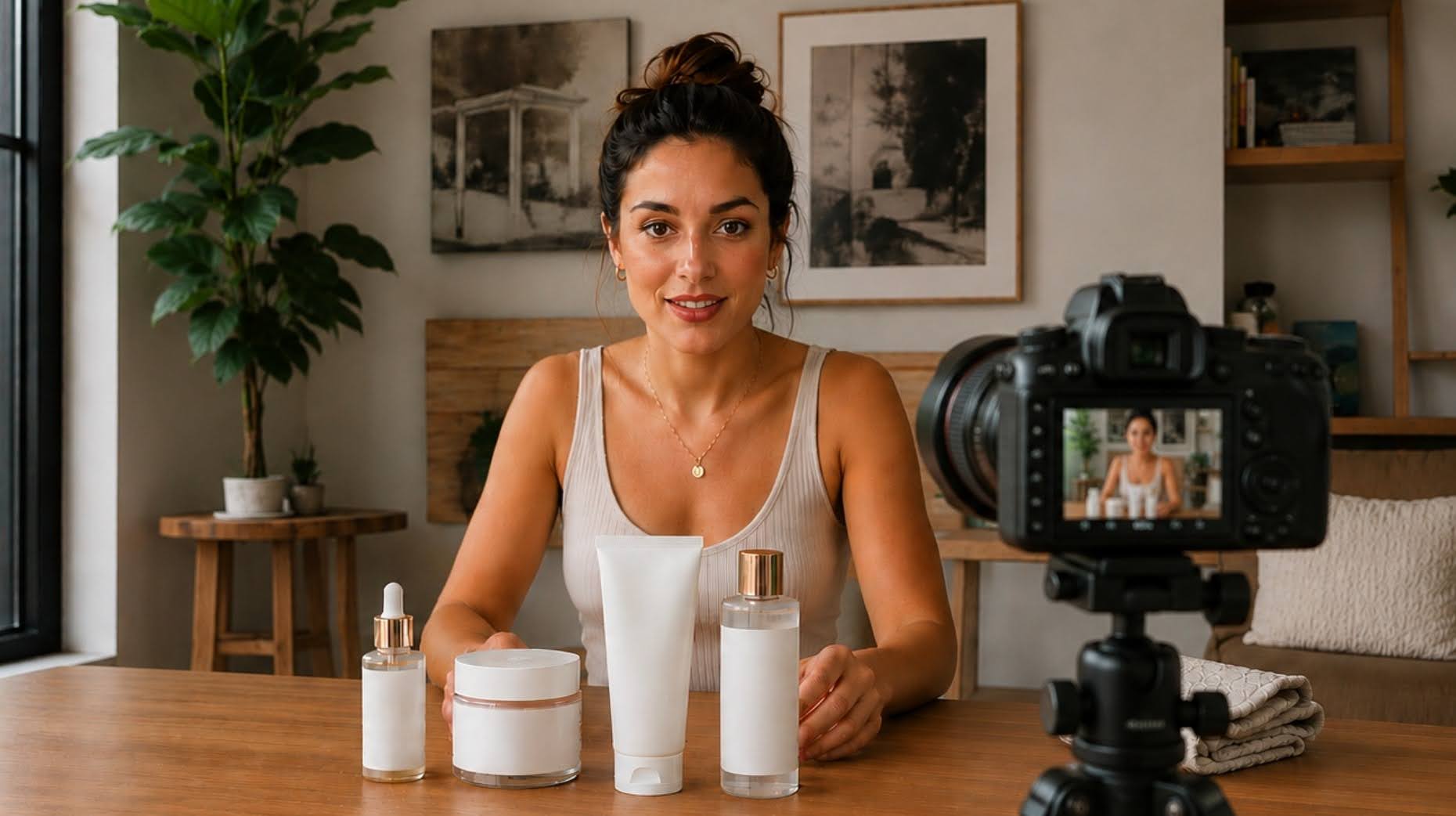

Food and Beverage Marketing Strategies That Actually Drive Sales
Most food and beverage marketing advice sounds the same: post on social media, partner with influencers, optimize your packaging. None of that is wrong, but none of it is specific enough to help a brand marketer who needs to move product off shelves and prove ROI to leadership.
The strategies that drive sales in F&B are not complicated. What separates high-ROI campaigns from the rest is rigor, not complexity. The difference between a campaign that gets likes and one that moves revenue comes down to creative quality, testing discipline, and channel-specific execution.
Why Most Food and Beverage Marketing Underperforms
Food and beverage brands spend heavily on marketing. The return is inconsistent because most campaigns default to generic tactics instead of building creative around a clear insight, testing it before scaling, and matching the format to the channel.
The Creative Quality Gap
A well-produced video ad with weak messaging still underperforms. A sharp strategic insight paired with average production still outperforms. The highest-ROI campaigns combine both: a genuine understanding of the audience with production quality that earns attention.
Five Food and Beverage Marketing Strategies That Drive Measurable Sales
Here are five strategies that consistently produce results for F&B brands operating across TV, streaming, social, and digital.
1. Lead With a Testable Creative Insight, Not a Brief
The best F&B campaigns start with a single, testable insight about the consumer. Not a broad positioning statement, but a specific observation about behavior, frustration, or desire that the creative can dramatize.
When Daily Harvest came to Quirk Creative for performance-driving TV spots, the team didn't start with a single script. The first flight tested 12 TV spot versions against each other, varying tone, length, messaging, and calls to action. Ads were further optimized with over a dozen variants, alternating shot order, value props, and narrator voices. The testing phase produced insights that made every subsequent campaign sharper and more cost-efficient. Daily Harvest's TV campaign continues to exceed performance expectations, and the brand has continued investing in TV as a primary channel.
2. Produce Fit-for-Platform Video Creative
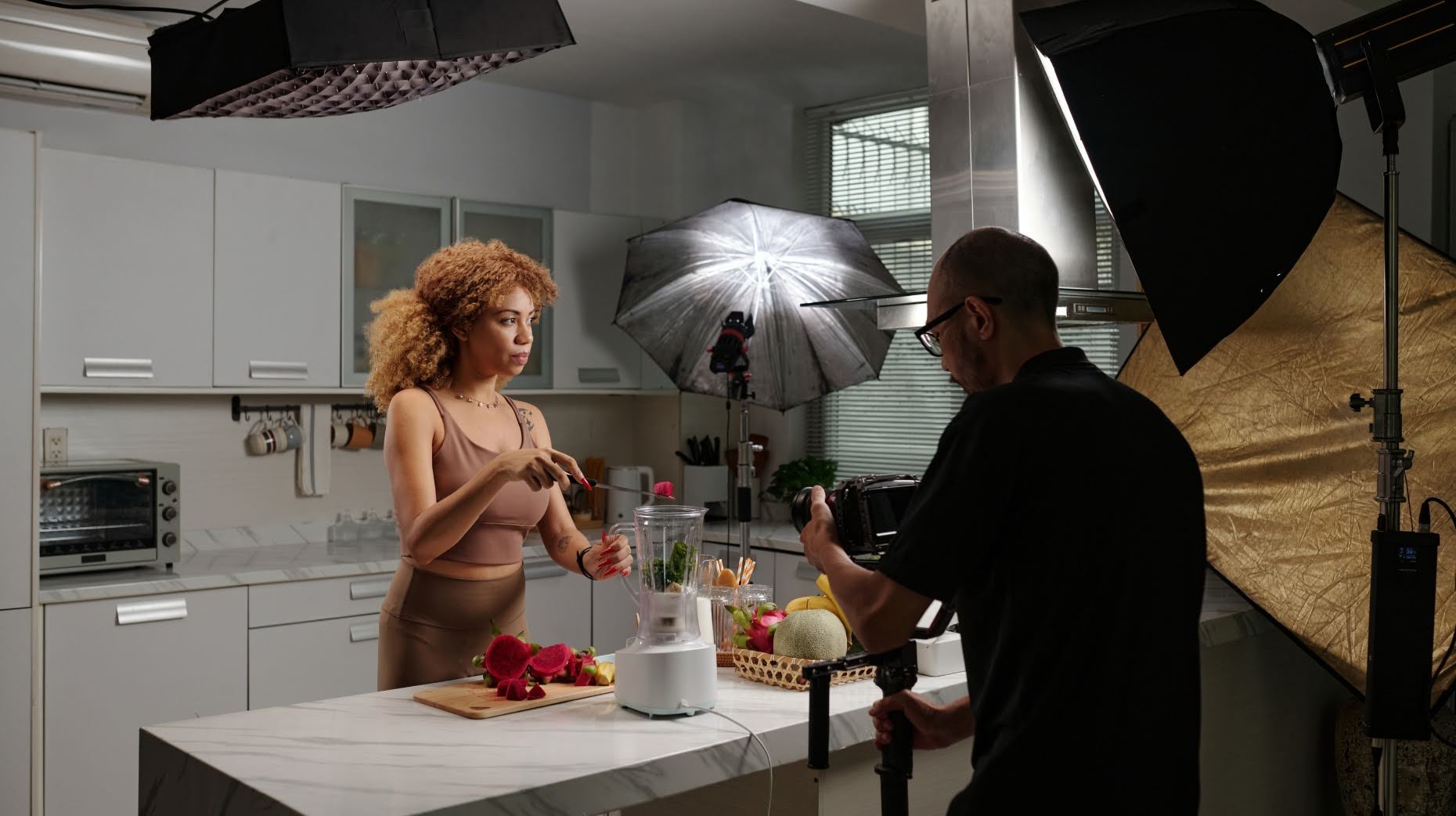
A single hero video does not work across every channel. What performs on linear TV will not perform on TikTok without significant restructuring. F&B brands that invest in platform-specific versions of the same campaign concept see stronger results on every channel.
For linear TV and OTT/CTV (streaming), longer narrative formats build brand credibility. Social platforms like TikTok, Instagram, and YouTube Shorts reward fast hooks, authentic visuals, and UGC-style production. Match the pacing, length, and visual style to where the audience is watching.
3. Build a Modular Creative System for Ongoing Optimization
Producing a single campaign and running it indefinitely is a recipe for creative fatigue. F&B brands need a system that allows ongoing variation and optimization without reshooting everything from scratch.
4. Combine Brand Storytelling With Direct Response Mechanics
F&B brands often separate brand campaigns from performance campaigns. The strongest results come from combining both in a single asset, an approach known as brand response.
Brand response means the creative builds emotional resonance and brand recognition while simultaneously including a clear call to action. When Blue Apron relaunched under new ownership, Quirk dramatized the absurdity of rigid subscription services with satire that was both sharp and relatable. The campaign delivered brand repositioning and performance results simultaneously. Order rates reached an all-time high by mid-2025.
5. Measure What Connects to Revenue, Not Vanity Metrics
Impressions, views, and engagement rates are useful signals, but they don't appear on a P&L statement. F&B marketers who drive sales track cost per site visitor, conversion rate, return on ad spend (ROAS), and revenue lift. Performance data should directly inform the next round of creative decisions.
How to Apply These Strategies to Your Brand
Start with one: pick the strategy that addresses your biggest gap. If your creative hasn't been refreshed in six months, build a modular system. If you're running the same ad across TV and TikTok, invest in fit-for-platform versions. If you're tracking impressions but not conversion rates, rebuild your measurement framework around revenue.
Quirk Creative works with F&B brands including Chomps, Blue Apron, Daily Harvest, and Graza, building video campaigns from strategy through post-production that are designed to sell.
Frequently Asked questions
What is the most effective food and beverage marketing strategy?
Creative testing at scale is the most consistently effective strategy. Campaigns that test multiple message variations before scaling spend outperform those that rely on a single creative concept.
How important is video for food and beverage marketing?
Video is the highest-converting format for F&B brands. Motion and sound create appetite appeal and emotional connection that static imagery cannot match, and video performs across every major advertising channel.
What is brand response advertising?
Brand response combines the storytelling depth of brand advertising with the measurable, action-driving mechanics of direct response. The result is a creative approach that builds long-term brand equity while driving immediate business results.
How do food and beverage brands measure campaign success?
Successful F&B brands track cost per site visitor, conversion rate, ROAS, and revenue lift alongside softer metrics like brand awareness and engagement. Revenue-connected metrics guide creative optimization decisions.
How often should food and beverage ad creatives be refreshed?
Refresh creative every six to eight weeks to avoid fatigue. A modular production approach allows ongoing variation without reshooting, keeping costs manageable while maintaining performance.
Should F&B brands run the same ad on TV and social media?
No. A 30-second TV spot will not perform on TikTok without restructuring. F&B brands should produce platform-specific versions of each campaign concept, matching pacing, length, and visual style to how audiences consume content on each channel.
Blogs
Read more blogs