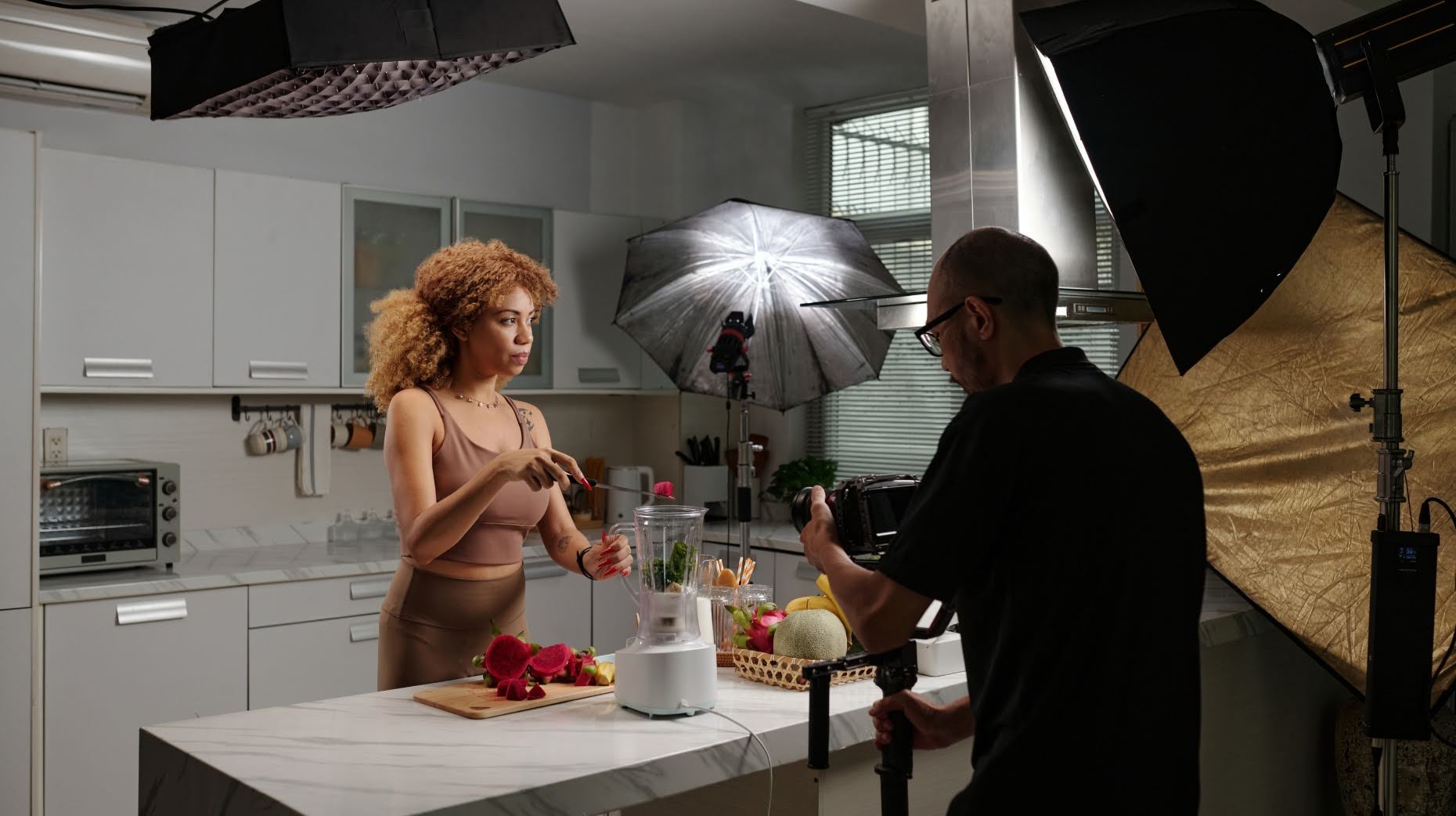

What Is Video Advertising? A Complete Guide for 2026

Most guides on video advertising start with a definition and end with a list of platforms. You already know what a pre-roll ad is. What you need is a framework for making video campaigns that perform across linear TV, OTT / CTV, social, and digital.
Video advertising is the use of video to promote products or services, with the goal of driving measurable business outcomes. The format spans TV commercials, streaming pre-roll, social video, and paid digital placements. Strategy, testing, and channel-specific creative separate a good video ad from a forgettable one.
Why Video Advertising Still Outperforms Other Formats
Video captures attention faster than static display or text-based ads. Audiences retain more information from a message delivered through motion, sound, and narrative. For brands selling to consumers (and increasingly in B2B), video remains the highest-converting ad format.
The advantage goes beyond reach. Video advertising can drive both brand awareness and direct response in a single asset. Quirk Creative calls this brand response: the fusion of direct response advertising's call-to-action urgency with brand advertising's storytelling and emotional depth.
Where Video Advertising Works in 2026
Channels worth investing in right now include:
Linear TV for broad reach and credibility
OTT / CTV (streaming) for audience-level targeting at scale
Social (TikTok, Meta, Instagram, YouTube) for engagement and community
Digital video placements for retargeting and conversion
Each channel has different creative requirements. A 30-second TV spot will not perform on TikTok without recutting. Fit-for-platform creative is a baseline requirement, not a bonus.
How to Build a Video Advertising Campaign That Sells
A campaign that sells starts before anyone picks up a camera. Planning, scripting, and testing determine whether the final product drives revenue.
Start With Strategy, Not a Storyboard
Define your audience, your key message, and the action you want viewers to take. A brand awareness spot needs a different narrative structure than a direct response ad with a promo code in the lower third.
Test Before You Produce
Animatic testing (a rough, animated version of a concept shown to your target audience before full production) reduces risk. Brands that skip testing often spend six figures on a spot that underperforms within weeks. Quirk builds animatic testing into every campaign to validate concepts before production.
Produce for the Channel, Not the Conference Room
The ad that wins applause internally is not always the ad that wins customers. Prioritize clarity, pacing, and a visible call to action over cinematic flourish. On TV, keep your brand logo persistent in a lower third. On social, hook viewers in the first three seconds or lose them.
What a High-Performing Video Ad Looks Like in Practice
When INNOVO, a femhealth brand addressing bladder leaks, came to Quirk Creative, the challenge was clear: create a campaign that spoke to women authentically without relying on shame-based messaging.
Quirk's FemHealth practice brought experience in the feminine healthcare space to create a campaign rooted in hope and results, as documented in the INNOVO case overview.
The campaign delivered: a 265% lift in site visitors, a 199% increase in customer response rate, a 60% increase in Add to Carts, and a 45% reduction in cost per site visitor. Over 271,000 people visited the INNOVO website, generating the brand's best month of sales to date.
Video Advertising Formats Compared
Understanding format options helps you allocate budget wisely. Here is a comparison of the most common video ad formats in 2026.
Format | Best For | Typical Length |
In-stream (pre-roll, mid-roll) | Awareness and reach on streaming and YouTube | 15 to 30 seconds |
Out-stream | Visibility on publisher sites | 15 to 30 seconds |
Social video (TikTok, Reels, Shorts) | Engagement and community building | Six to 60 seconds |
Linear TV | Mass reach and brand credibility | 15, 30, or 60 seconds |
Shoppable video | Lower-funnel conversion | Variable |
How to Measure Video Advertising Performance
Track metrics that connect to your business goals. Cost per site visitor, conversion rate, and return on ad spend (ROAS) matter more than raw views. Performance data should inform the next round of creative.
Quirk Creative specializes in video-based campaigns from strategy through post-production, built to perform across TV, streaming, social, and digital. Chat with us right away.
Frequently Asked questions
What is video advertising?
Video advertising is the promotion of products or services through video content delivered across TV, streaming, social media, and digital platforms, with the goal of driving measurable outcomes like site visits, leads, or sales.
What are the main types of video ads?
The main types are in-stream ads (pre-roll, mid-roll, post-roll), out-stream ads on publisher websites, social video ads on platforms like TikTok and Instagram, linear TV commercials, and shoppable video ads.
How much does video advertising cost?
Costs vary based on production scope, talent, and media placement. A social video ad can cost a few thousand dollars, while a national TV campaign may require six figures. Animatic testing before production helps protect your budget.
What makes a video ad effective?
An effective video ad pairs a clear message with a strong call to action, tailored to the channel where the ad runs. Campaigns that use creative testing and performance data to refine creative consistently outperform those that launch without iteration.
How is video advertising different from display advertising?
Video ads combine motion, sound, and narrative to drive higher engagement than static display. Video generates stronger click-through rates and brand recall compared to image or text-based formats.
Why should brands invest in video advertising in 2026?
Audiences spend more time watching video across streaming, social, and connected TV than in previous years. Video advertising allows brands to build awareness, drive response, and retarget viewers across multiple touchpoints.
Blogs
Read more blogs