
Supplement Brand Advertising: Video Creative That Drives Sales Without FDA Issues
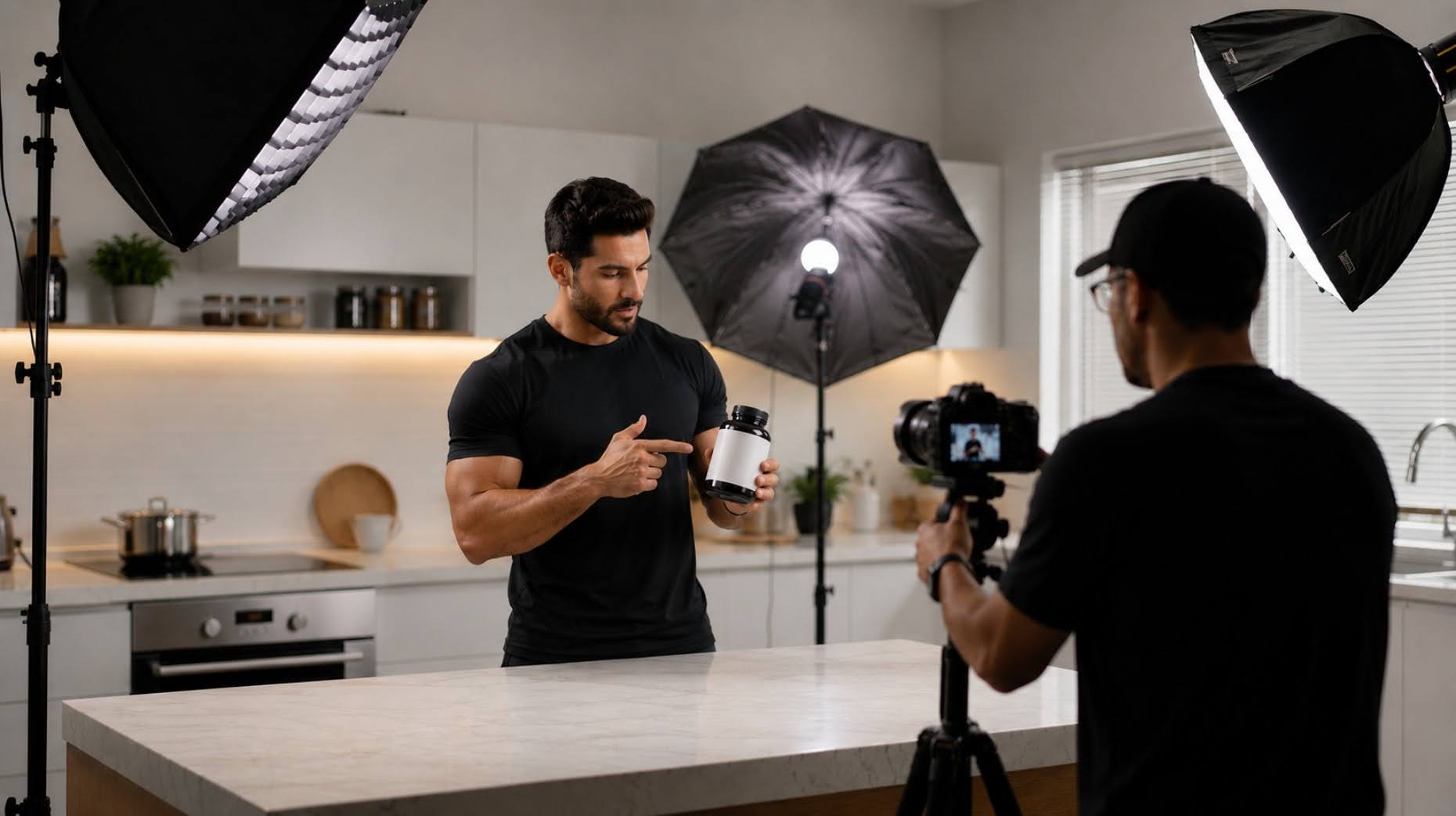
Supplement brands sit in one of the most restricted advertising categories in the market. FDA structure-function claim rules, platform-specific ad policies on Meta and Google, and FTC requirements around substantiation all shape what you can and can't say. The brands growing fastest in 2026 aren't working around those constraints. They're producing video creative that performs precisely because it respects them.
What follows is a practical guide to building supplement video ads that sell without getting disapproved, pulled, or flagged.
Why Structure-Function Claims Are the Foundation of Supplement Advertising
The FDA draws a clear line between drug claims and dietary supplement claims. Supplements cannot claim to diagnose, treat, cure, or prevent any disease. Structure-function claims describe how a supplement affects normal body functions, and they require substantiation plus the standard FDA disclaimer.
Compliant language sounds like "supports immune function." Non-compliant language sounds like "cures joint pain." The difference determines whether your ad runs or gets rejected.
What Platforms Actually Enforce
Meta requires pre-approval for many supplement ads and rejects copy that implies disease treatment, even indirectly. Google Healthcare and Medicine policies restrict how supplement advertisements appear across Search, Performance Max, and Discovery. TikTok bans most supplement advertising outright.
Knowing platform enforcement rules isn't optional. An ad that clears FDA review can still get rejected by Meta if the copy implies a medical outcome or the creative includes a dramatic before-and-after transformation.
How to Produce Supplement Video Ads That Convert and Comply
Compliance and conversion aren't at odds. The most effective supplement campaigns treat regulatory constraints as creative briefs, not barriers.
Leading With Ingredients, Not Outcomes
Strong supplement video creative spotlights what's inside the product and explains why those ingredients matter. "500mg of KSM-66 Ashwagandha, third-party tested for purity" communicates credibility without making a health claim. Audiences in 2026 are ingredient-literate. Meeting them with specificity earns trust faster than vague wellness promises.
Choosing Lifestyle Over Transformation
Dramatic weight-loss imagery and before-and-after photos trigger rejections on Meta and Google. Lifestyle-focused creative, real people taking supplements as part of their daily routine, consistently pass review and outperform transformation content in engagement metrics.
A supplement brand showing someone mixing collagen into their morning coffee while getting ready for work communicates more about the product's role in daily life than any staged comparison shot.
Producing Testable Variations
Supplement brands need multiple hooks, different benefit angles, and several end-card options per campaign. When one creative version gets disapproved, having backup variations ready keeps the media spend active. Running five or more combinations also lets you isolate which messaging drives the strongest purchase intent.
What Quirk Learned Producing Health and Wellness Video Campaigns
Quirk Creative's work across health and personal care brands has consistently shown that authentic storytelling outperforms promotional messaging in regulated categories.
When Quirk produced the "Embrace Your Skin" campaign for Tula Skincare, a probiotic-based skincare brand, the spot featured zero product shots and focused on a relatable insight about negative self-talk. The campaign generated $23.2 million in earned media value and more than one million digital engagements. Tula reported $150 million in net sales for 2021.
The lesson for supplement brands: ads built around a genuine human insight, not a list of claims, earn more attention and face fewer compliance hurdles. Quirk's brand response approach applies particularly well to supplement advertising where trust and compliance shape every creative decision.
Five Compliance Mistakes That Get Supplement Ads Rejected
Using disease-adjacent language like "fight off illness" or "eliminate inflammation." Structure-function alternatives get approved.
Including dramatic before-and-after imagery. Lifestyle shots pass review. Transformation comparisons trigger flags.
Featuring medical professionals endorsing specific outcomes. Educational ingredient videos do not get rejected.
Running identical creative across every platform. Channel-specific creative is a compliance necessity.
Letting landing page claims exceed ad claims. Platforms review destination pages too.
Building a Supplement Video Strategy That Scales
Scalable supplement advertising requires a production process that can generate compliant variations quickly and optimize them based on performance data.
Start with a single consumer insight per campaign. Produce across formats for TV, OTT/CTV (streaming platforms and connected TV devices), and social. Test messaging angles aggressively. Retire underperformers. Scale winners.
The brands seeing the strongest return on ad spend in supplements are producing educational, ingredient-forward video content, distributing it across channels with platform-specific adaptations, and analyzing performance monthly.
Quirk Builds Compliant Video Creative for Health and Wellness Brands
Quirk Creative specializes in video-based campaigns from strategy through post-production for brands in health, wellness, beauty, and personal care. Let's chat.
Frequently Asked questions
Can supplement brands advertise on Meta in 2026?
Yes, with restrictions. Ads must avoid disease claims, dramatic transformations, and health-condition targeting. Structure-function language with lifestyle creative consistently passes review.
What is a structure-function claim in supplement advertising?
A structure-function claim describes how a supplement affects normal body functions without claiming to treat a disease. "Supports immune function" is compliant. "Prevents colds" is not.
How many creative variations should supplement a brand's test?
A minimum of three per campaign. Five or more provides enough data to isolate which messaging drives purchases while maintaining backups if any version gets disapproved.
Why does video outperform static ads for supplement brands?
Video demonstrates product usage in context, shows real people incorporating supplements into routines, and delivers ingredient education in an engaging format that generates stronger click-through rates.
What channels work best for supplement advertising?
Linear TV and OTT/CTV build awareness. YouTube supports educational content. Meta drives consideration. Google Search captures high-intent buyers. A multi-channel approach outperforms any single platform.
How do supplement brands measure video ad performance?
Cost per site visitor, conversion rate, and return on ad spend matter more than raw views. Tracking by creative variation reveals which messaging drives the strongest business outcomes.
Blogs
Read more blogs