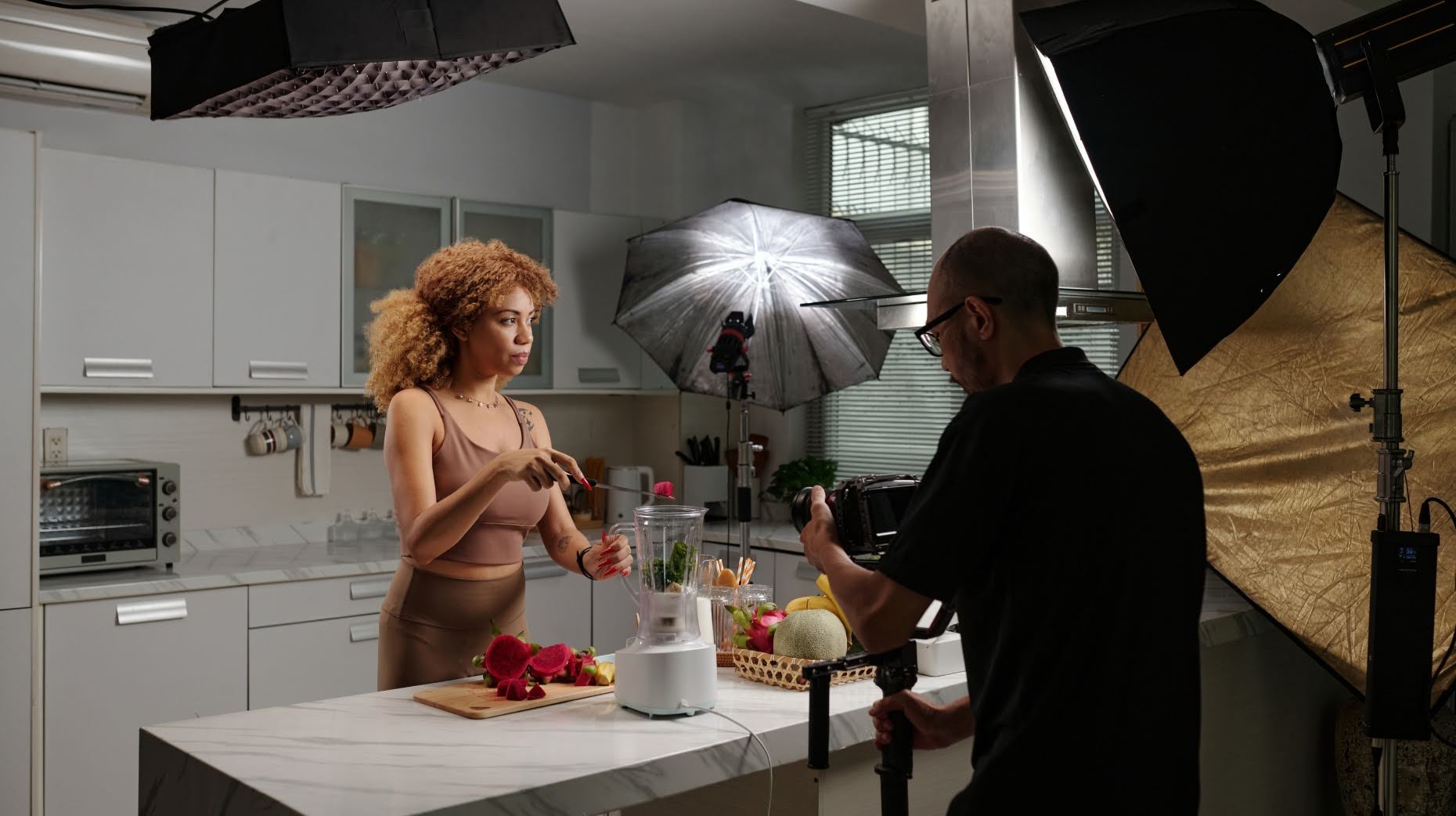

Switching From Static Ads to Video Ads: What to Know Before You Make the Leap

Static ads are comfortable. You know the cost, the turnaround, and the results. But comfort has a ceiling, and most marketing directors hit it when recall plateaus and cost per acquisition climb. Switching from static ads to video ads is a strategic shift that changes how your audience processes your brand.
The transition requires understanding where video outperforms static and structuring the move so your budget delivers more.
Why Static Ads Stop Working at Scale
Static ads perform well in narrow, bottom-funnel scenarios. A clear product image, a price point, and a direct call to action can convert warm audiences efficiently. The problem surfaces when brands try to scale static into awareness and consideration.
Attention and Recall Limitations
A single image competes poorly in feeds dominated by motion. Social algorithms on Meta, TikTok, and YouTube prioritize video content. Static placements increasingly require higher bids for the same reach. Video combines sight, sound, and narrative to create memory traces that a still image cannot replicate.
Creative Fatigue Hits Faster
Static ads typically decline within seven days. Video ads sustain engagement for two to four weeks before fatigue sets in. For always-on campaigns, that gap means fewer creative refreshes and lower total production cost over time.
What Video Ads Actually Do Better
Video is specifically superior at three things that matter for scaling brands.
Building Brand Recognition Across Channels
Video works on linear TV, OTT/CTV (streaming platforms and connected TV devices), social, and digital simultaneously. A 30-second spot can be cut into 15-second and six-second variations for YouTube, Instagram Reels, and pre-roll. One production generates an entire channel ecosystem. Static requires a separate creative for each placement.
Driving Lower Cost Per Lead
Video-driven clicks arrive with higher purchase intent because the viewer has been engaged before clicking. When Quirk produced a campaign for Ruggable, the brand hit $27.6 million in online sales in one month. Ruggable held a 2.50 to 3.00% conversion rate with over 4.4 million web sessions.
Telling a Story That Static Cannot
A carousel can show features. A video can show why those features matter. Brand response, the fusion of direct response urgency with brand storytelling, is Quirk's signature approach. Static ads lack the narrative structure to execute it.
How to Structure the Switch Without Wasting Budget
The worst way to move from static to video is replacing your entire media plan overnight. A phased approach protects performance.
Start With One Funnel Stage
Keep static ads running at the bottom of the funnel. Introduce video at the top, targeting cold audiences. Measure lift in branded search and retargeting pool size over 30 to 60 days.
Produce for Modularity
Commission one hero video (30 seconds) and plan cutdowns at 15 and six seconds during the same shoot. Pull still frames to refresh your static retargeting ads. One production, multiple formats, unified visual language.
Test Before You Commit
Animatics (rough, animated versions of a concept) let you test messaging before full production. Quirk builds animatic testing into every engagement as standard. The data eliminates guesswork.
What to Expect in the First 90 Days
Realistic expectations prevent premature decisions.
Weeks One Through Four
Video ads will show higher CPM and lower immediate conversions than static. That is normal. Video builds awareness first. Watch branded search volume and direct traffic as leading indicators.
Weeks Four Through Twelve
Retargeting pools grow as video drives new visitors. Your static bottom-funnel ads perform better because the audience arrives with brand context. Full-funnel cost per acquisition should decline. Brands running both formats in sequence consistently outperform single-format strategies.
Common Mistakes When Switching to Video Ads
Avoiding these saves budget and time.
Producing for TV When You Need Social
A broadcast spot and a vertical Reel require different creatives. Most DTC brands should start with social and digital video before considering linear TV.
Skipping the Strategy Step
Jumping to production without a content strategy wastes budget. Define your audience, message, funnel stage, and success metrics before the camera rolls.
Treating Video as a One-Time Project
Video is an ongoing program. Plan for creative refreshes, seasonal variations, and optimization based on performance data.
Ready to Make the Switch From Static Ads to Video Ads
Quirk Creative specializes in video-based brand response campaigns that move brands from static-only strategies into full-funnel video programs, from concept through post-production under one roof.
Frequently Asked questions
How much does it cost to switch from static ads to video ads?
Cost depends on scope and channel mix. Quirk structures flexible billing by project, so brands scale production to match current budget.
Can I keep running static ads while testing video?
Yes, and you should. Keep static active at the bottom of the funnel. Video builds the awareness that feeds your static campaigns with warmer audiences.
How long before video ads show measurable results?
Expect 30 to 60 days for full-funnel metrics to stabilize. Leading indicators like branded search and retargeting pool growth appear within two weeks.
What video formats should I start with?
Short-form vertical video (15 to 30 seconds) for social and digital. Lower production cost, faster turnaround, and broad compatibility across Meta, TikTok, and YouTube.
Do I need a different agency for video ads?
You need an agency with production capability. Video requires scriptwriting, casting, directing, shooting, editing, color correction, and sound design. An agency handling strategy through post-production eliminates multi-vendor coordination.
What is brand response, and why does it matter for video?
Brand response combines storytelling depth with action-driving mechanics. Video is the ideal format because it builds emotional connection and delivers a call to action in the same creative.
Blogs
Read more blogs