
Influencer Content vs. Brand Commercials: Building a Full-Funnel Video Strategy

The debate between influencer content and brand commercials misses the point. The question isn't which one to choose. The question is where each belongs in your funnel and how to make them work together. Brands that go all-in on influencer partnerships without a brand campaign end up renting someone else's audience. Brands that produce only polished commercials miss the social proof that drives mid-funnel consideration.
A full-funnel video strategy gives each format the job it does best.
What Each Format Does Well (And Where Each Falls Short)
Knowing the strengths and limitations of influencer content and brand commercials prevents the common mistake of expecting one format to do everything.
Where Influencer Content Excels
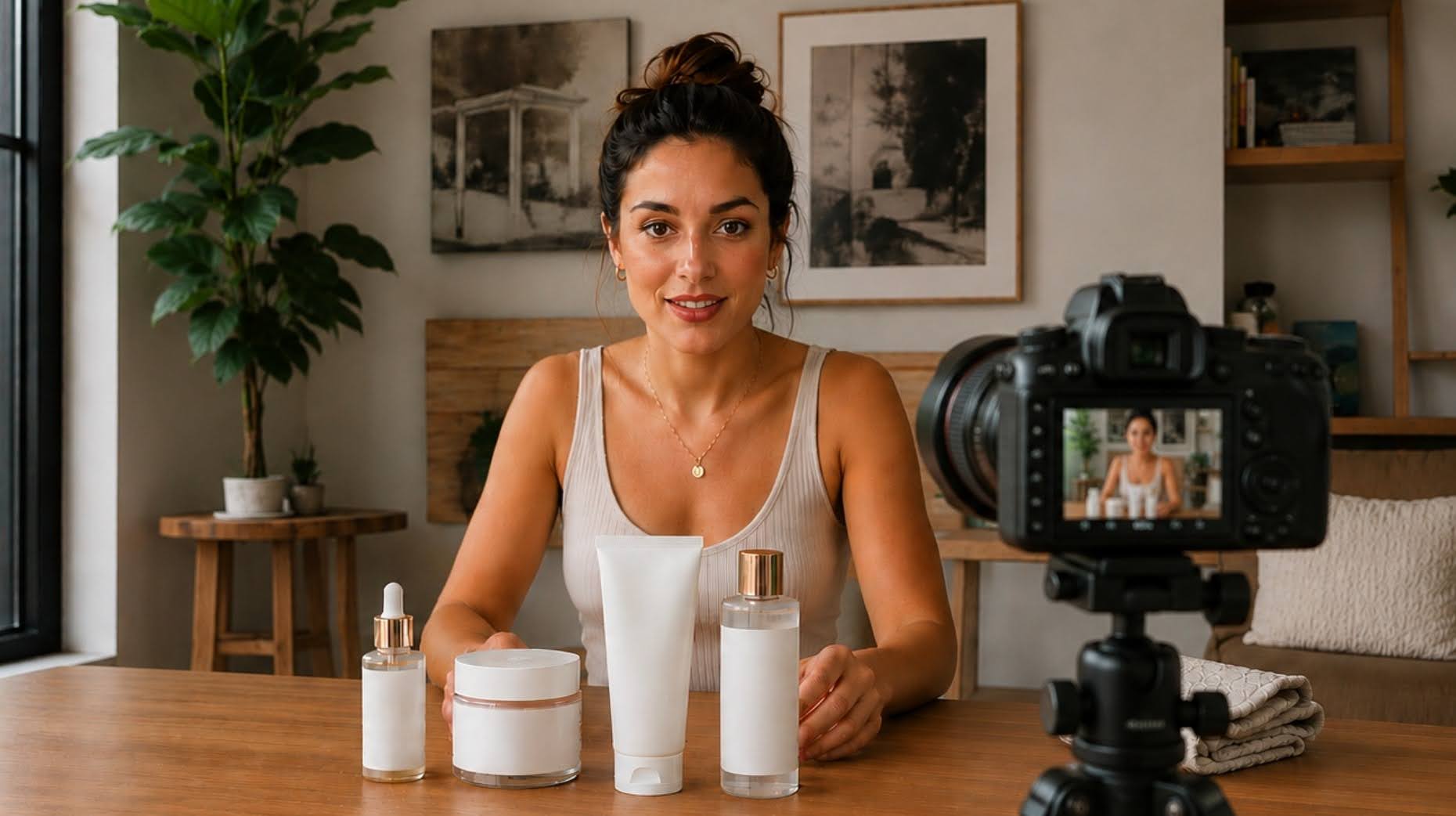
Creator-driven video builds trust in the consideration phase. A real person showing how they apply a product, describing how it fits their routine, and sharing their honest reaction carries credibility that a brand-produced spot cannot replicate. Audiences process influencer content as a recommendation from a peer, not a pitch from a company.
Influencer content also generates volume. A single partnership can produce multiple posts, stories, and short-form videos that feed social feeds and retargeting campaigns for weeks.
Where Brand Commercials Excels
Brand commercials establish identity, communicate positioning, and build long-term equity. A cinematic 30-second spot on TV or streaming reaches audiences at scale and anchors the brand in a consumer's memory in ways that a creator post, however authentic, cannot.
Brand commercials also drive direct response when built for it. Quirk Creative's brand response approach combines storytelling depth with a measurable call to action, making every spot work for both awareness and conversion.
How a Full-Funnel Video Strategy Connects the Two
A full-funnel video strategy assigns each format to the stage where it creates the most value, then connects those stages so the audience moves smoothly from discovery to purchase.
Top of Funnel: Brand Commercials for Awareness
Broad-reach placements on linear TV, OTT/CTV (streaming platforms and connected TV devices), and YouTube pre-roll introduce the brand to new audiences. The creative needs to communicate a clear consumer insight, establish the brand's personality, and leave a memorable impression. No promotional offers. No hard sell. Just a reason to pay attention.
Quirk Creative's campaign for Tula Skincare followed that structure. The "Embrace Your Skin" TV spot focused on the emotional insight of negative self-talk, with zero product shots. The campaign reached over 120 million consumers and generated $23.2 million in earned media value. Broad-reach brand creative set the table for everything that followed.
Middle of Funnel: Influencer Content for Consideration
Once a consumer recognizes the brand, influencer content deepens trust and addresses specific questions. "How does the product actually feel?" "What results did a real person see?" "How does it fit into a routine I'd recognize?"
Creator partnerships should produce content showing product application, honest reactions, and real-life scenarios. Retargeting viewers who engaged with top-of-funnel brand spots with influencer content in their social feeds creates a natural progression from "I've heard of this brand" to "someone I trust uses it."
Bottom of Funnel: Direct Response Video for Conversion
At the conversion stage, the creative needs a clear call to action, a compelling offer, and minimal friction. Short-form video ads featuring product details, pricing, and a URL convert consideration into purchase. Quirk's D2C campaign work shows that spots with a single, clear call to action consistently outperform ads offering multiple next steps.
Why Neither Format Works Alone
Brands that invest only in influencer content face two problems: creator audiences belong to the creator, and influencer content rarely communicates the positioning that makes a consumer choose one product over another. Brands that invest only in brand commercials lack the peer-to-peer credibility that drives mid-funnel consideration.
Quirk's portfolio spanning Chomps, Lume, Ruggable, and Augustinus Bader reflects the full-funnel principle: cinematic brand campaigns for awareness, adapted into formats that work alongside creator content in social environments.
Structuring Your Full-Funnel Video Budget
Early-stage D2C brands should weigh toward brand commercials (60%) and influencer content (40%). Mature brands with conversion challenges should shift toward direct response creative (40%), influencer content (35%), and brand maintenance (25%). Creative testing should account for at least 15% of the total video budget, regardless of stage.
Measuring Full-Funnel Performance
Full-funnel measurement requires different metrics at each stage: reach and brand search lift at the top, engagement rate and site visits in the middle, and cost per acquisition and return on ad spend at the bottom. Attributing conversions only to the last click ignores the awareness work that made the conversion possible.
Quirk Builds Video Campaigns That Work Across the Entire Funnel
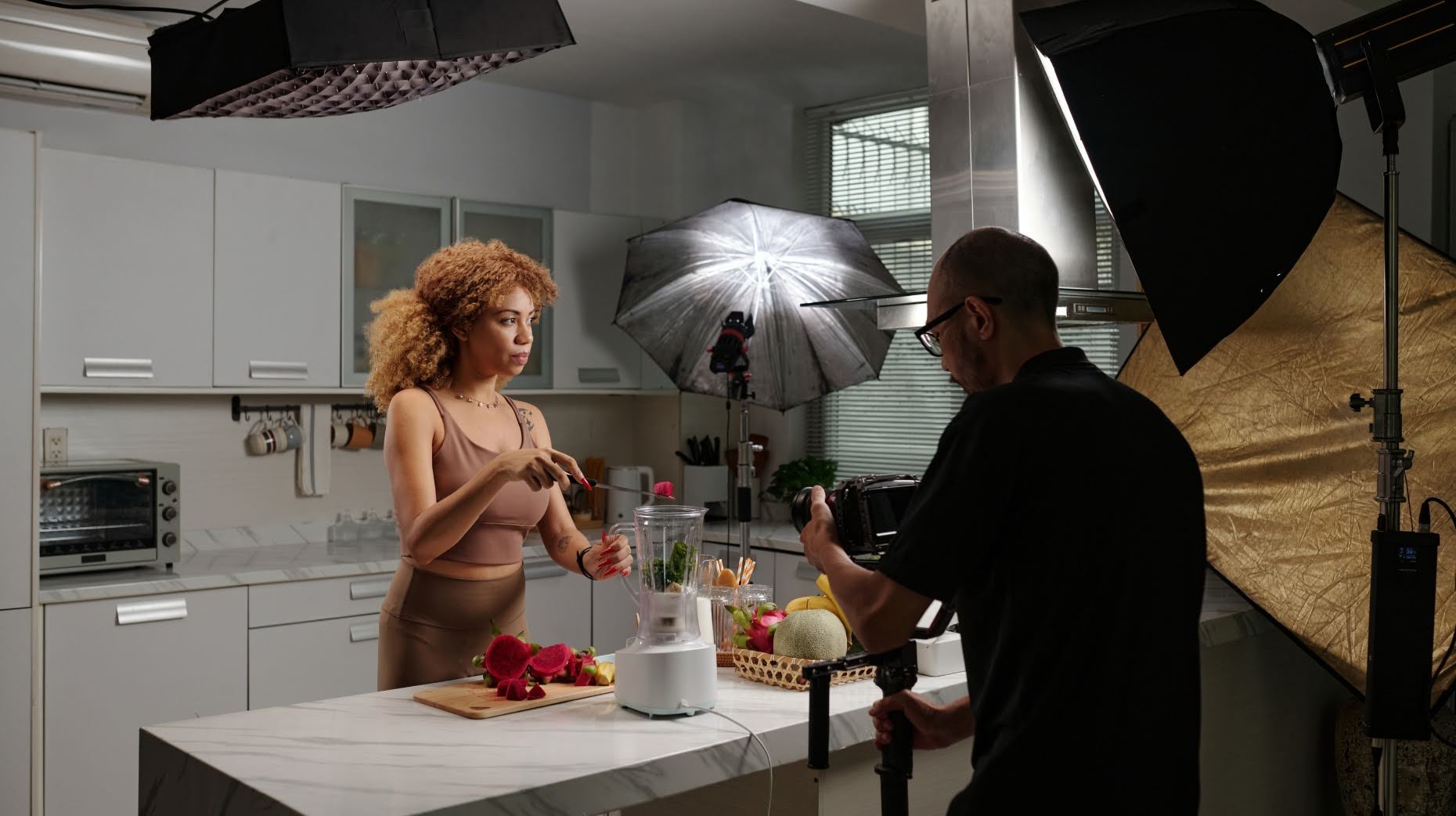
Quirk Creative specializes in video-based campaigns from strategy through post-production for consumer brands across TV, streaming, social, and digital.
Frequently Asked questions
What is a full-funnel video strategy?
A full-funnel video strategy connects awareness, consideration, and conversion across channels. Brand commercials drive awareness. Creator content builds trust. Direct response video drives purchase.
Should brands choose influencer content or brand commercials?
Neither alone is sufficient. Influencer content builds social proof. Brand commercials establish identity at scale. The strongest strategies assign each format to its best funnel stage.
How much should a brand spend on influencer content vs. brand commercials?
Early-stage brands benefit from weighting 60% toward brand commercials and 40% toward influencer content. Mature brands can shift more toward direct response. At least 15% should go toward creative testing.
What is brand response advertising?
Brand response combines storytelling depth with call-to-action urgency, building brand equity and driving a measurable consumer action in a single video asset.
How do brands measure top-of-funnel video performance?
Reach among new audiences, brand search lift, video completion rate, and downstream conversion behavior. Incrementality testing shows what would not have happened without awareness exposure.
Can influencer content be repurposed as paid advertising?
Yes. Creator content can be amplified through paid placements on Meta and TikTok. Whitelisted influencer ads often deliver a lower cost per click than brand-only creative.
Blogs
Read more blogs